
Business
Sep 16, 2026

Managing subscriptions should not be this hard and that belief is what set RECURA in motion.
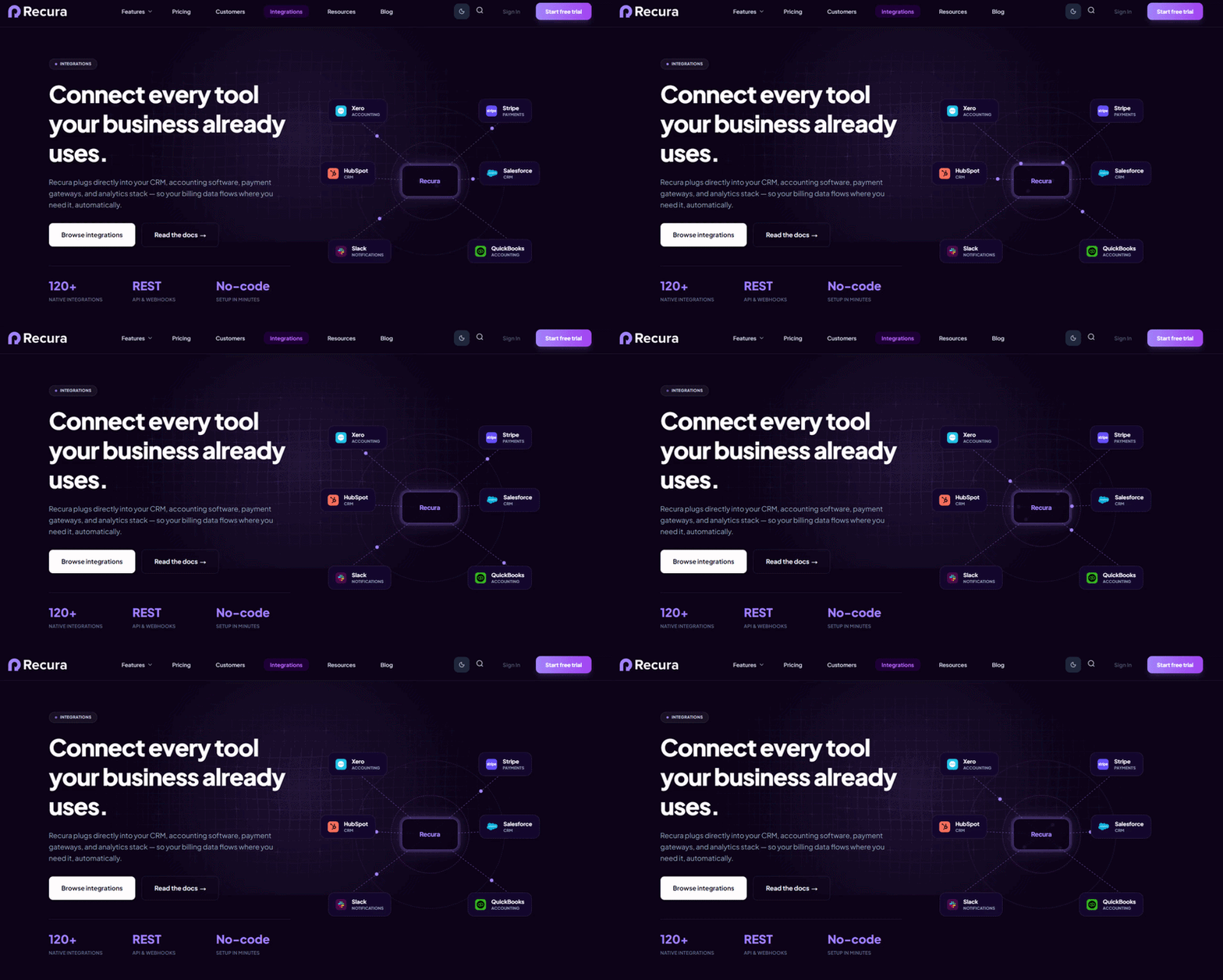
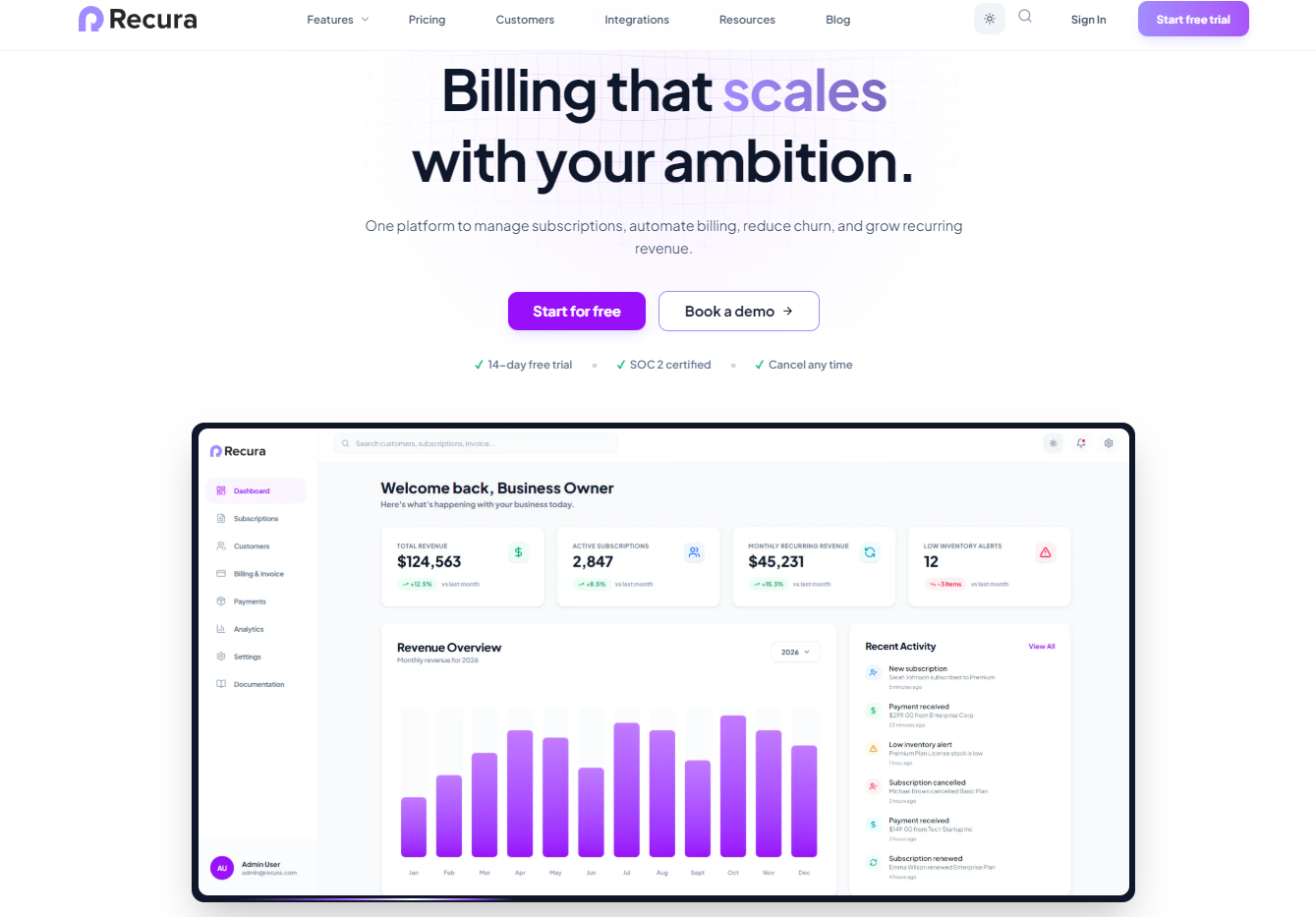
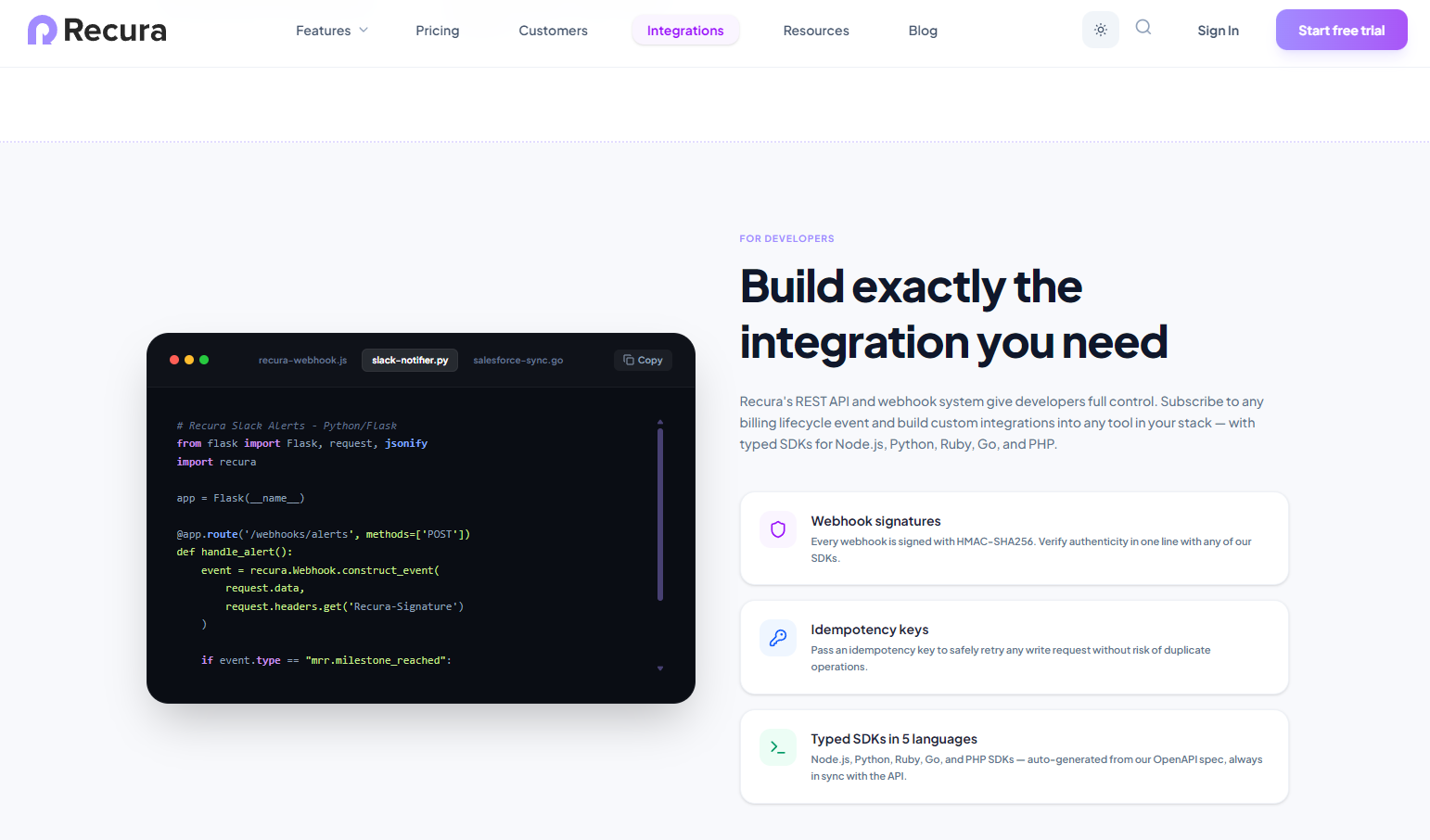
RECURA is a subscription billing and inventory management platform built for modern recurring-revenue businesses, designed and developed end-to-end by the team at Weburea Agency. It wasn't conceived as "just another dashboard." It was an exercise in asking a harder question: what does a SaaS system need to look, feel, and function like when clarity, scalability, and operational simplicity actually come first?
This post walks through how we approached RECURA from product strategy through to the engineering decisions running quietly behind the scenes and what we learned building it.
Recurring-revenue businesses juggle a lot at once subscriptions, billing cycles, invoices, payments, analytics, and often inventory, all pulling from different systems that rarely talk to each other cleanly. The result, for most businesses, is a patchwork of spreadsheets, disconnected tools, and dashboards that show data without making it usable.
Our brief for RECURA was to unify all of it into one coherent system, without the complexity leaking into the interface. Businesses needed to see and manage:
...from a single, clean, operationally simple system not five tabs and a headache.
Every product we build at Weburea starts before the first pixel gets placed. For RECURA, that meant combining several disciplines into one continuous process rather than treating them as separate phases:
The throughline across all of it was workflow clarity. A billing platform that's powerful but confusing isn't actually useful so we treated usability testing and system logic as first-class parts of the design process, not an afterthought bolted on at the end.
While the interface work was visible, a lot of the harder problems on RECURA were architectural and one in particular is worth calling out.
As RECURA's resources section grew product screenshots, walkthroughs, and documentation we needed a media pipeline that could scale without becoming a maintenance burden. Hosting large volumes of images and video directly in the project wasn't sustainable, and generic cloud storage solutions came with either rising costs or licensing complexity we didn't want tied to a growing product.
We rebuilt that layer of our workflow by combining:
In practice, this meant our team could drop a file into the project, have it uploaded to the correct folder automatically, and have the local file reference in our code replaced with a live CDN URL with zero manual copying, pasting, or link-hunting.
The result was measurable: after migrating our media images, videos, and documents over to this pipeline, we saw load speed improve by close to 20x.
That's not a small operational detail. For a product built around the promise of simplicity and reliability, the platform has to feel fast, not just look clean. This is the kind of infrastructure decision that never shows up in a screenshot, but shapes how trustworthy the product feels the moment someone opens it.
RECURA is currently an MVP and system exploration a real demonstration of product thinking, not yet a fully commercial release. But the architecture and workflow decisions behind it were made with production-scale operations in mind from day one.
That's intentional. At Weburea, we don't treat "concept" and "production-ready thinking" as opposites. We'd rather build a smaller thing correctly than a bigger thing that needs to be rebuilt the moment it meets real usage.
For startups, SaaS companies, and businesses that need a custom management system tailored to their actual operations not a templated dashboard this is the kind of scalable product direction we help create from scratch: grounded in real strategy, designed with restraint, and engineered to hold up under real use.
RECURA is one product in a broader pattern of how we approach digital product design at Weburea combining strategy, design, and engineering into a single continuous process rather than a relay race between departments.
More product breakdowns and system design deep-dives are coming soon. You can explore the current RECURA demo at recura-ten.vercel.app/resources.
Replying to
Be the first to share your thoughts!